|
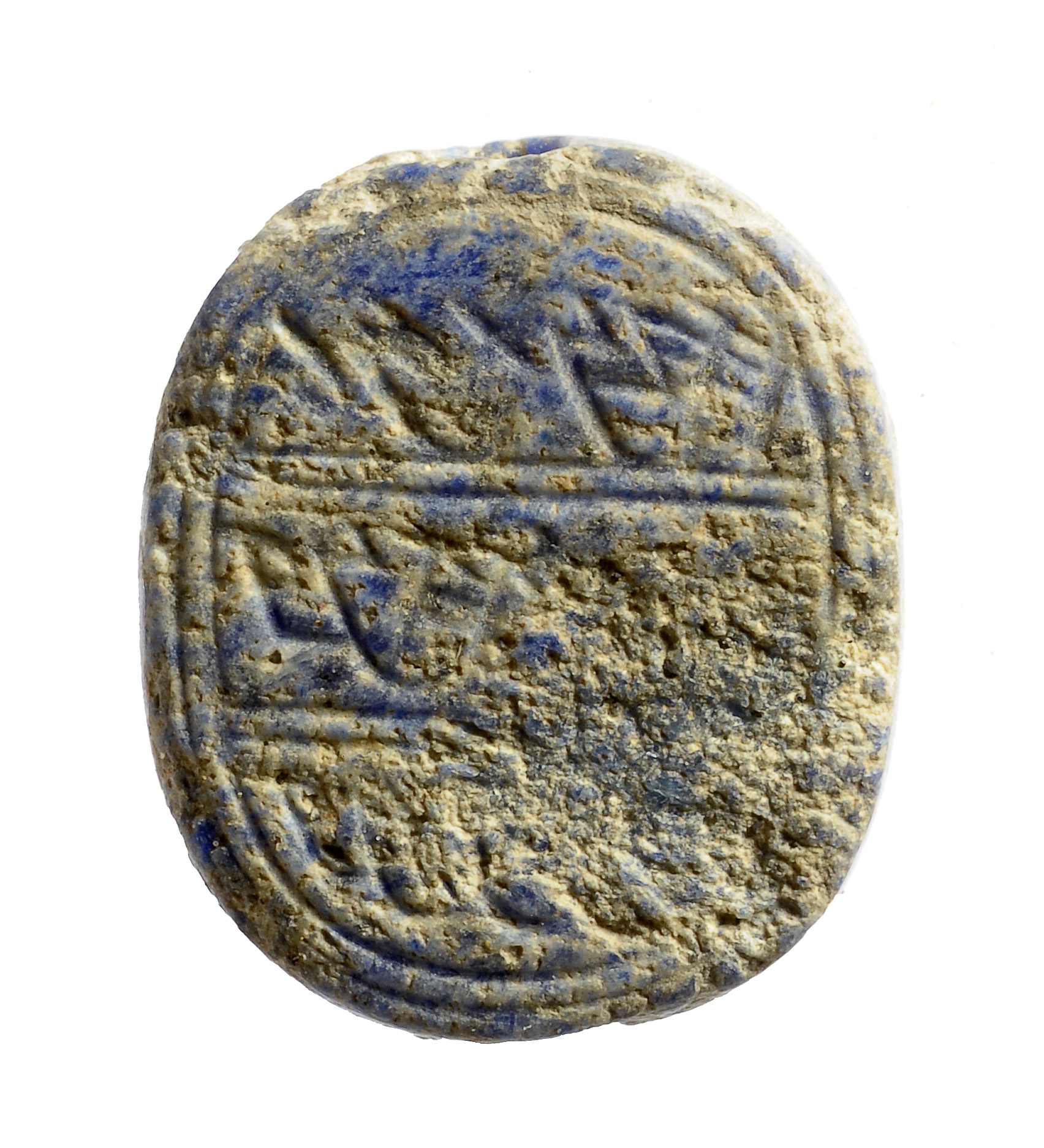
The Israel Antiquities Authority reports that in archaeological work it is conducting in the 2,000 year old drainage channel between the City of David and the Jerusalem Archaeological Garden:
In a previous illustrated post I reported on walking through this drainage channel. The finding of a seal within building remains is exciting news.
In another post, I published this plan of the drainage channel near the southwest corner of the Temple Mount:
 This plan shows that the drain cut through two tombs, which, according to the late Prof. Benjamin Mazar, belong to the Iron Age, as both have a ‘nefesh’ hole in the ceiling. There are several other tombs in this area with a similar design, one of which was converted into a mikveh in the Hellenistic period. These tombs are evidently part of a cemetery from the Iron Age.
As tombs are usually found outside the city walls (apart from the tombs of the kings), they probably date from before the time of King Hezekiah, who was the first king to include this area within his expanded city, when he built a wall round the Western Hill of Jerusalem. The building remains probably date to a time when pressure of space turned this location into a residential area, which could only have happened from the time of Hezekiah and onward.
|
Skip to content
Ritmeyer Archaeological Design
…for the latest research, analysis and products on Biblical Archaeology
To pay more attention to the drain system of ancient Jerusalem can be helpful. After all, it is known that the altar at the temple was cleaned with water. It’s also known that there are several cistern on the temple mount, some of which very probably date back to the time of the second temple. So, there had to be a way to prevent the bloody water from the altar from contaminating the water in the cisterns. Thinking of this, I’d like to know which evidence, if any, is there of the “early drain” running along the line that is shown on the map? Isn’t it actually more reasonable to suspect it continues in the same direction it has when leaving the Southern wall and leads directly to the court in front of the temple? Hmm, where can we find more information about the “early drain”. who found that? Prof Mazar?